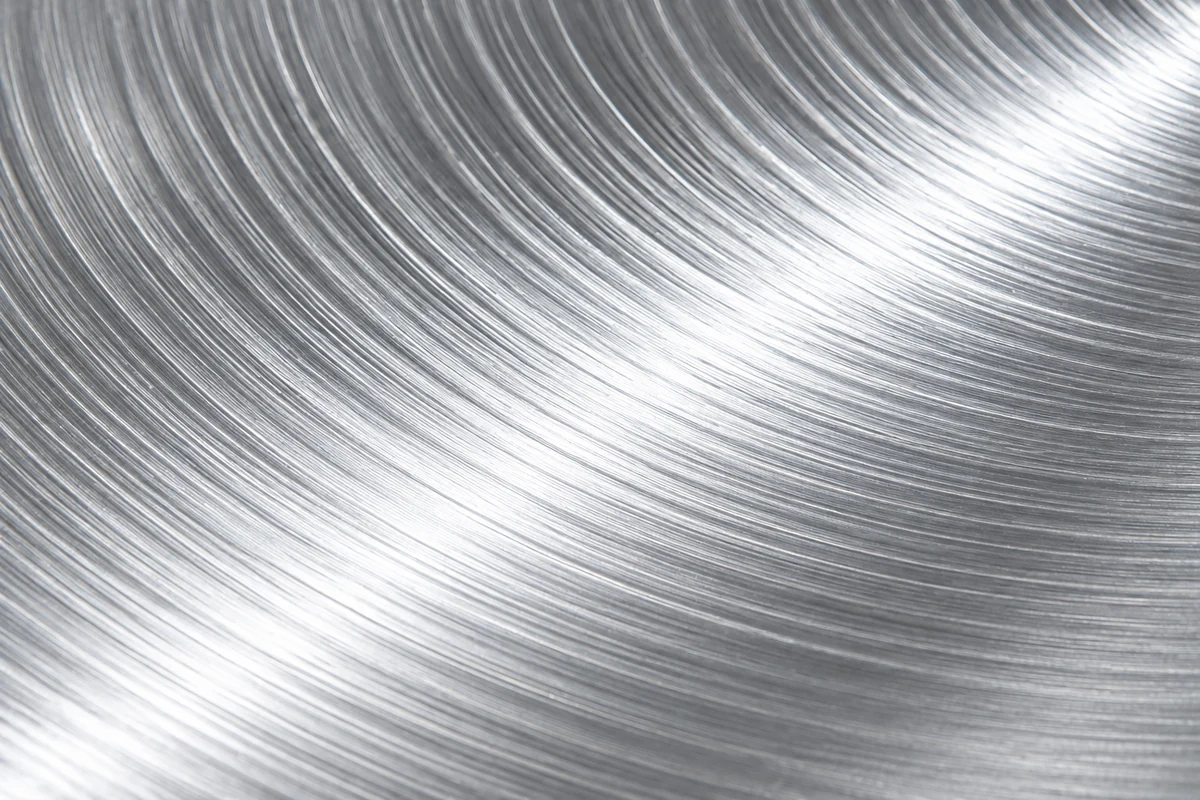
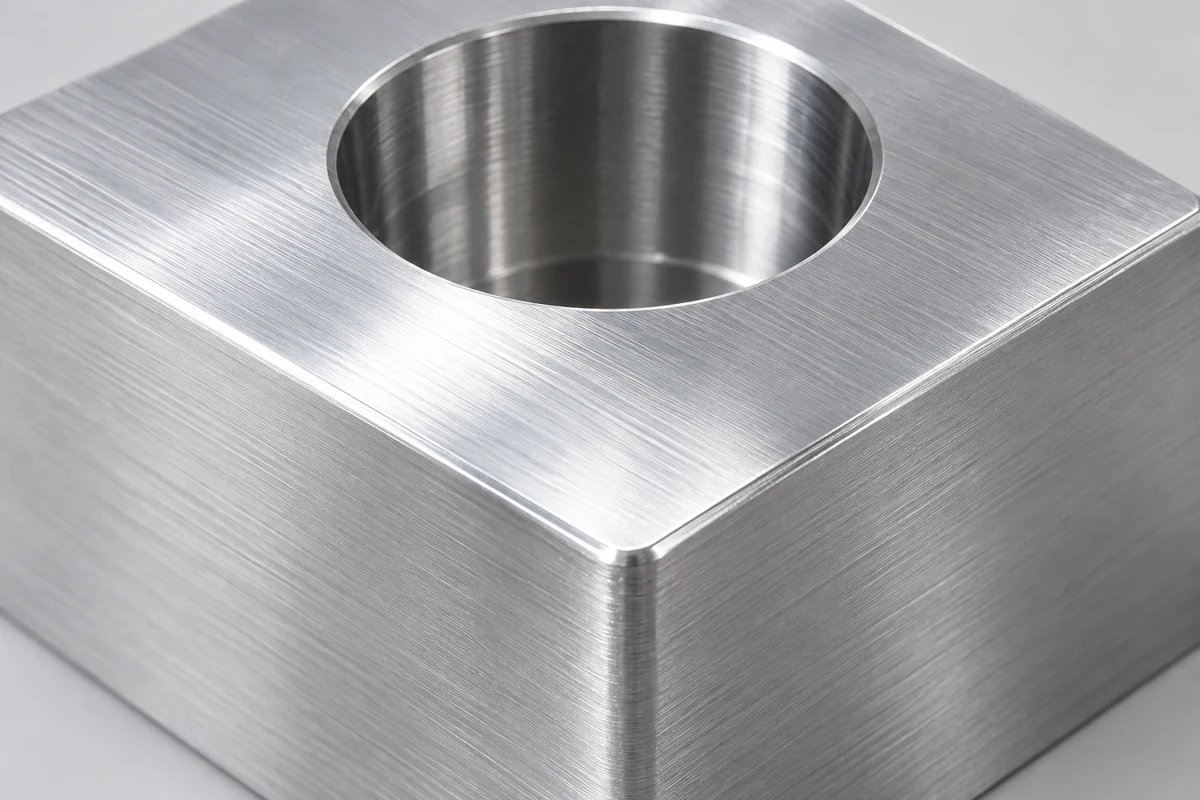
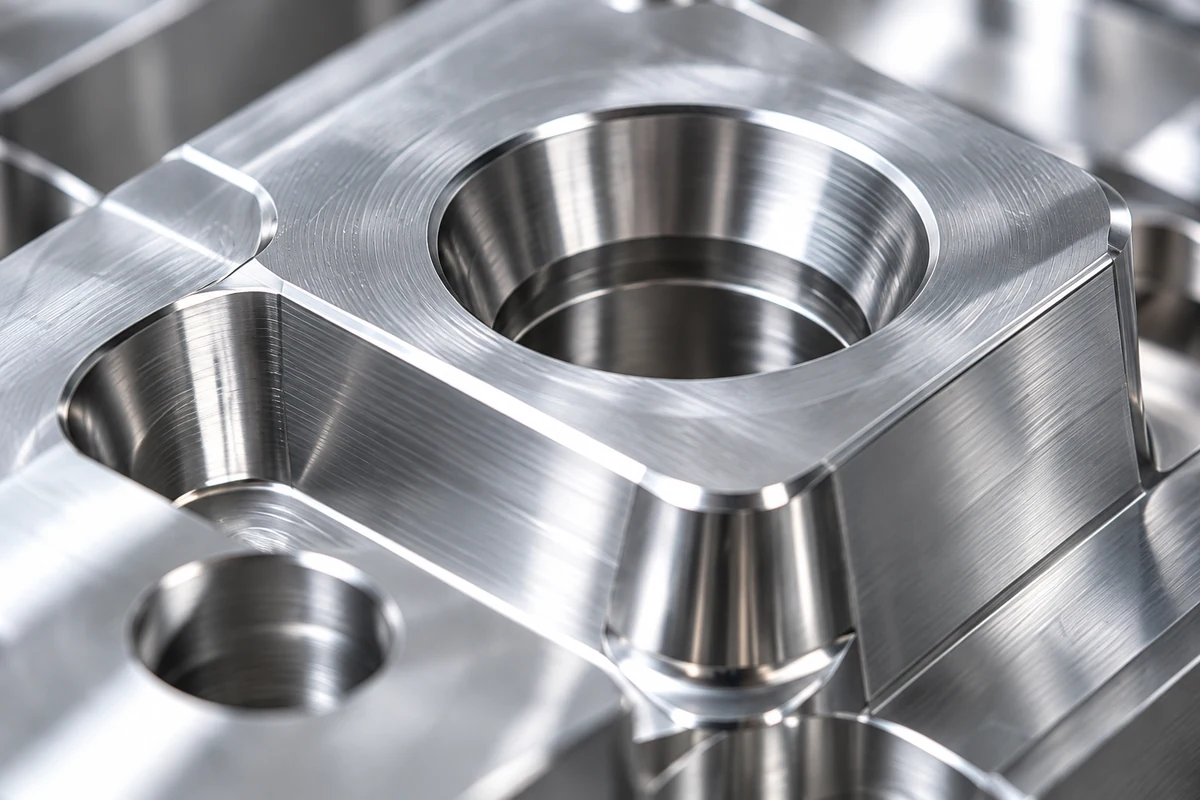
As machined
Clean, functional surface
with visible tool marks.
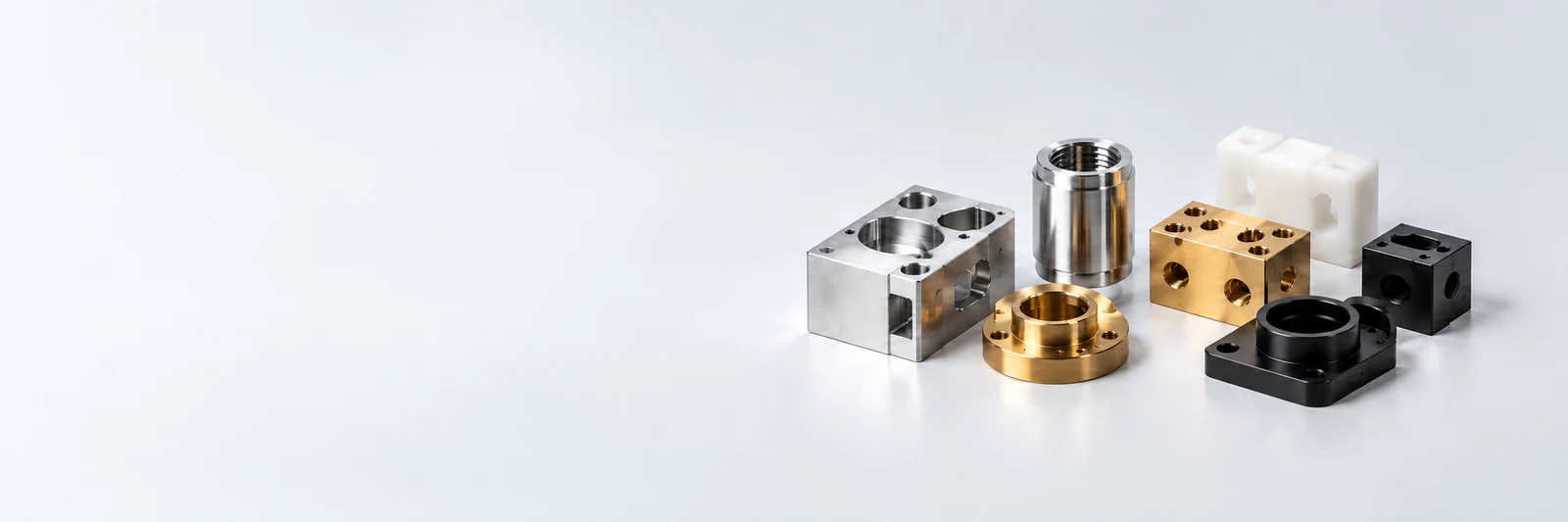
Compare options, then confirm the grade and requirements for your part.
Swipe to compare materials →
| Material | What to consider | Example grades |
|---|---|---|
 Aluminum Aluminum | Weight and machinability. A good all-round option with an excellent strength-to-weight ratio and good machinability. | 6061, 7075 Common grades for general purpose and higher strength requirements. |
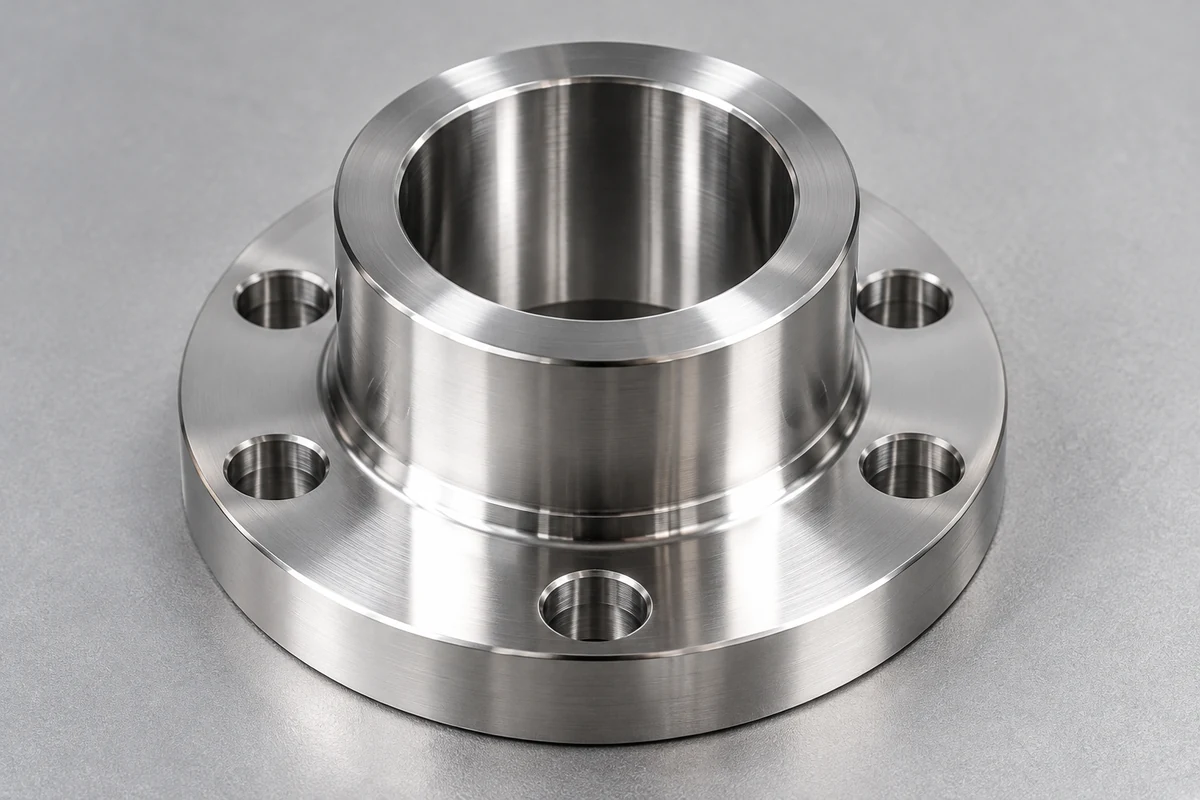 Stainless steel Stainless steel | Corrosion and strength. Suitable for demanding environments where corrosion resistance and strength are important. | 304, 316 Widely used austenitic grades. |
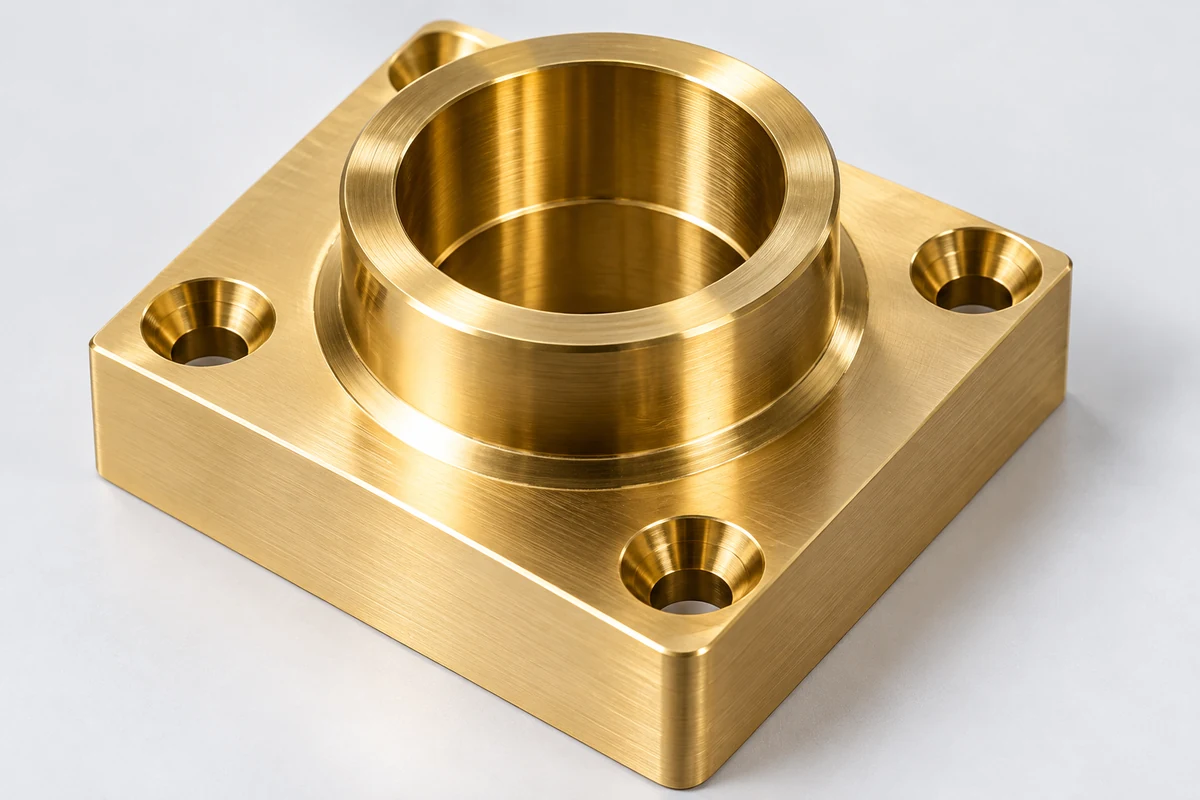 Brass Brass | Threads and appearance. Good machinability, suitable for threaded parts and components where appearance matters. | Grade to confirm Several brass grades are available depending on the application. |
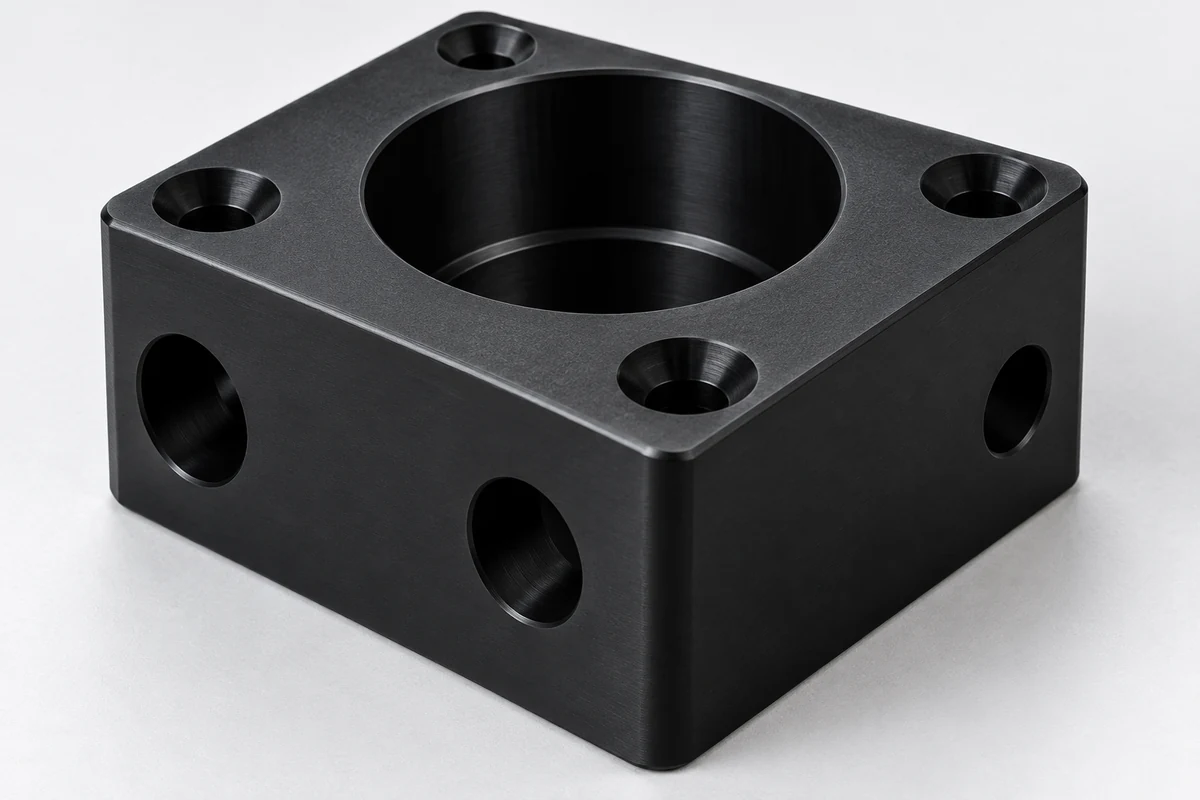 Engineering plastics Engineering plastics | Wear and dimensional stability. Lightweight options with good wear resistance and stable dimensions for many applications. | POM, PEEK Common engineering plastics for functional parts. |
Examples, not a confirmed stock list.
Clean, functional surface
with visible tool marks.
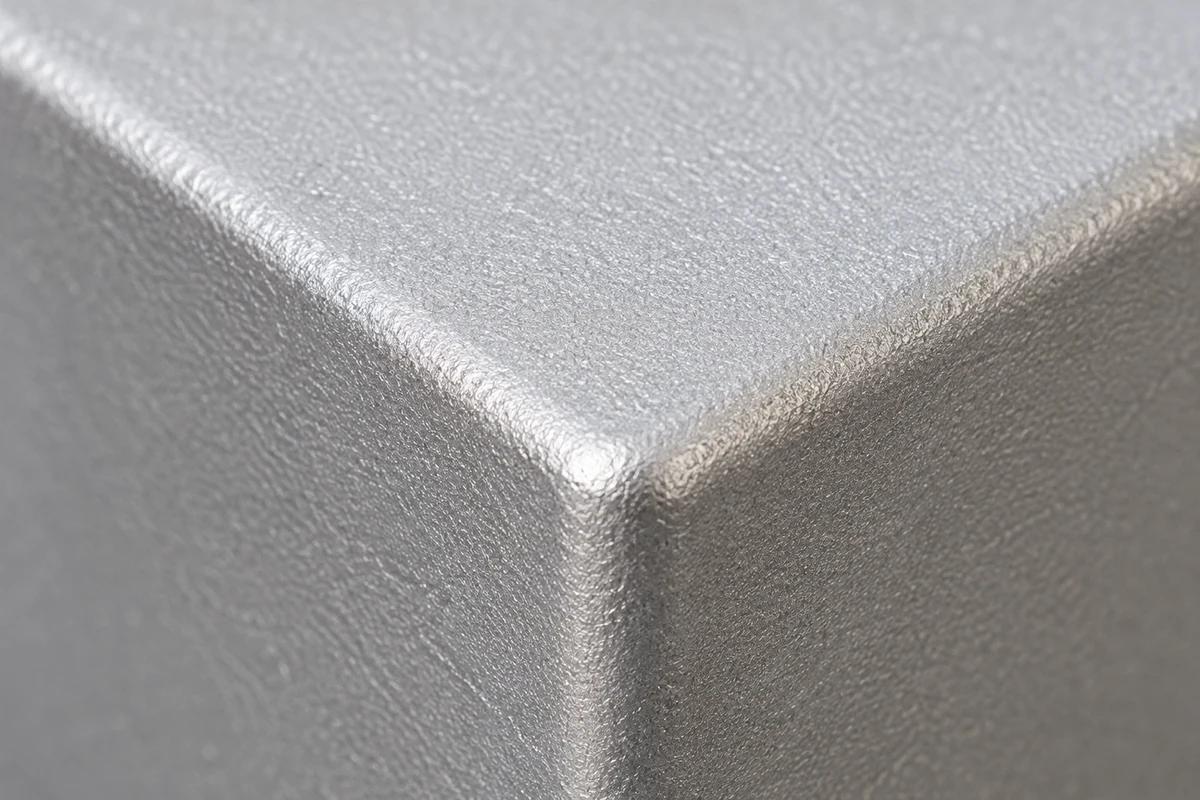
Uniform matte finish
with a smooth texture.
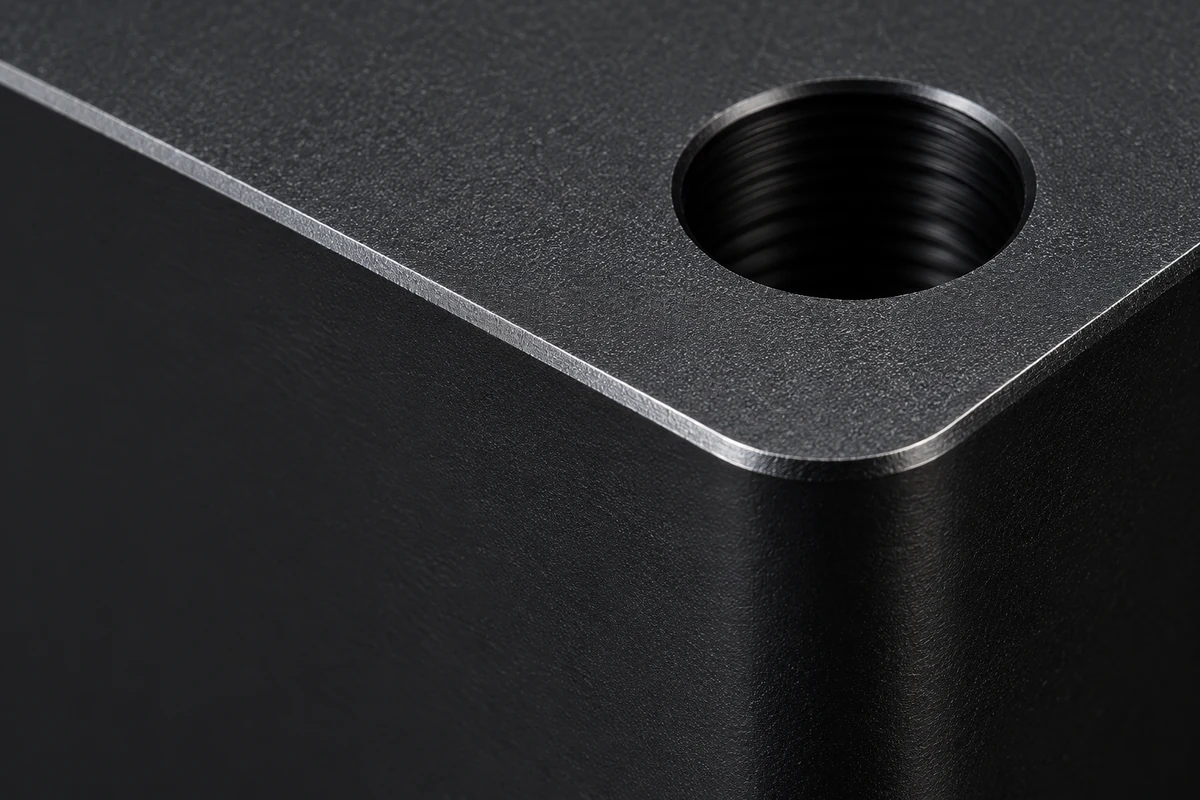
Durable finish with a consistent
color and texture.
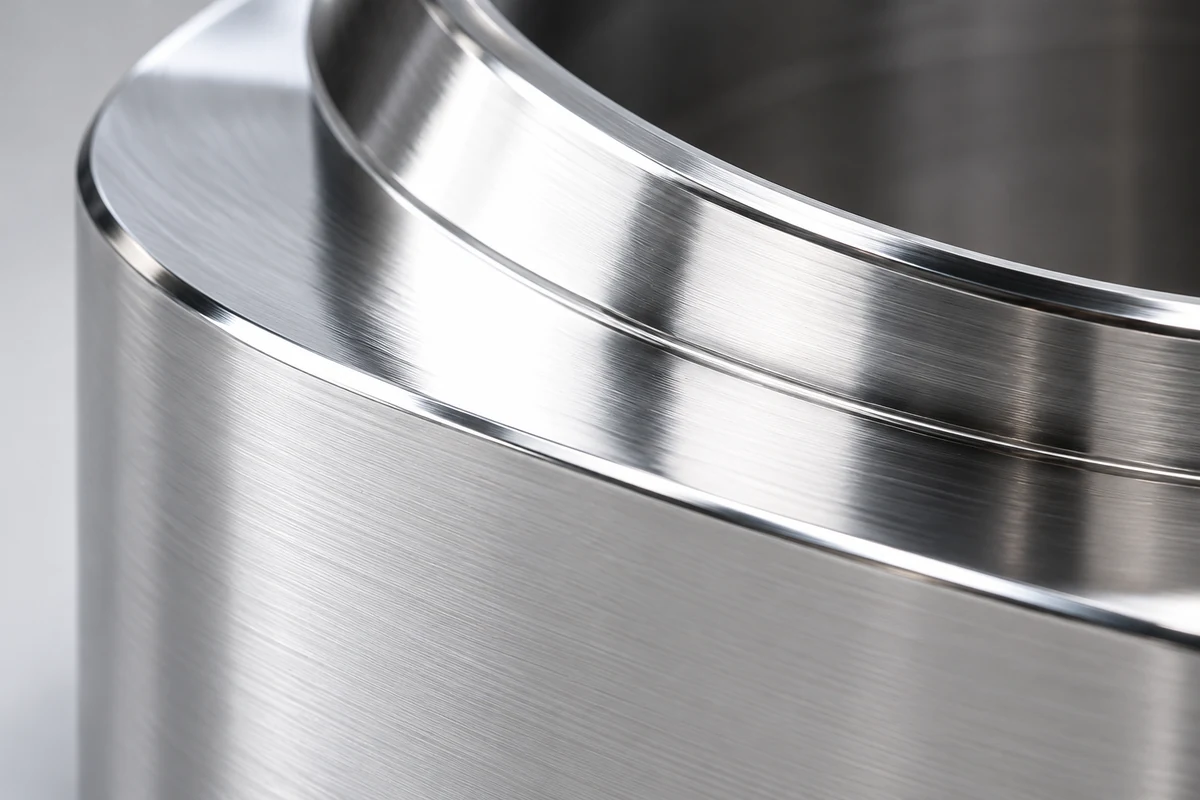
Bright, smooth surface
with a reflective finish.
Which surfaces are visible, and what level of finish is required?
Specify the required color or reference (e.g. black anodized).
Identify any areas that should not be finished (e.g. threads, bores, contact surfaces).
Consider the impact of finishing on critical dimensions and tolerances.
Show these requirements on the drawing where possible.